Recycling and Sustainability at Gardening Forest Gate
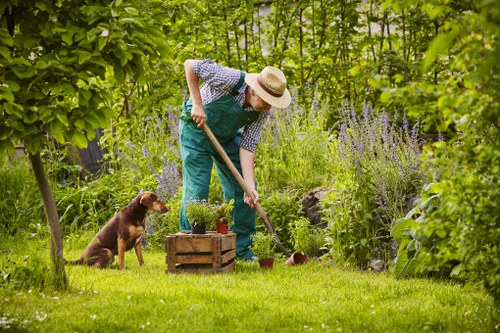 At Gardening Forest Gate we place eco-friendly waste disposal and a sustainable rubbish gardening area at the heart of our work. Our approach combines community-led green practices with local authority schemes to make recycling and reuse straightforward for residents of Forest Gate and neighbouring boroughs. We emphasise practical, low-impact methods for dealing with garden and household waste so that every compost heap, cut branch and broken pot becomes part of a circular resource flow.
We set a clear recycling percentage target across our operations: 60% recycling and reuse of garden and household waste by 2028. This objective is designed to align with the boroughs' approach to waste separation, which favours separate food waste, dry recyclables and dedicated garden waste collection. By aiming for this target we reduce landfill, save carbon and build better soil for local green spaces.
 Partnering with local public services and transfer stations is central to achieving our aims. We work with borough transfer stations and nearby East London transfer facilities to ensure that collected materials are processed responsibly — green waste to composting streams, wood and bulky garden waste to energy-recovery or reuse routes where appropriate, and textiles or tools that can be given a second life are channelled to charity partners.
Practical recycling activities and borough collaborations
Our on-site recycling hub supports a range of activities tailored to Forest Gate's needs: separate collection bins for garden waste, containers for clean wood and plant pots, and a small-area for paper, metals and plastic that meet kerbside dry recycling standards. We also encourage residents to use the borough's food waste kerbside service to avoid contamination of compostable green waste. These measures reflect a localised recycling and sustainability strategy that complements council rounds.
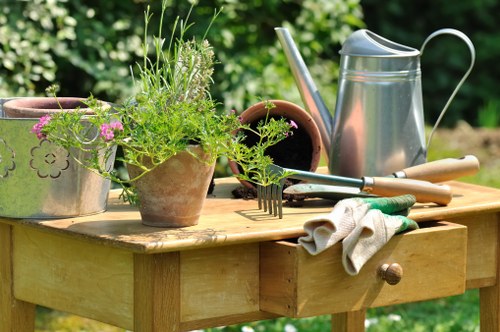 We operate a sustainable rubbish gardening area that sorts materials on arrival. Volunteers and staff separate items into reuse, compost, and recycling streams. Garden organics are prioritized for local community composting; salvageable soil, stones and bricks are cleaned and reused for edging or mulching beds; and broken ceramics are repurposed as drainage in pots. This sorting reduces contamination and improves the percentage of material that can be recycled or reused.
We have formal partnerships with charities and social enterprises to divert useful items from the waste stream. These include furniture and tool reuse charities, community food redistribution groups such as food-sharing networks, and social firms that refurbish garden equipment for low-income households. Partnerships with charities are essential: they create jobs, extend product life cycles, and ensure that items still in good condition avoid costly transfers to landfill or incineration.
Low-carbon logistics, local transfer stations and community actions
 To lower our transport footprint we are transitioning our fleet to low-emissions models. We currently operate hybrid and electric vans for local pickups and are phasing in full-electric light vans for routine collections. Where suitable, small-scale collections are made by cargo bikes and electric trailers to reduce urban congestion and emissions. Our target fleet mix aims to cut transport-related emissions by at least 40% within three years.
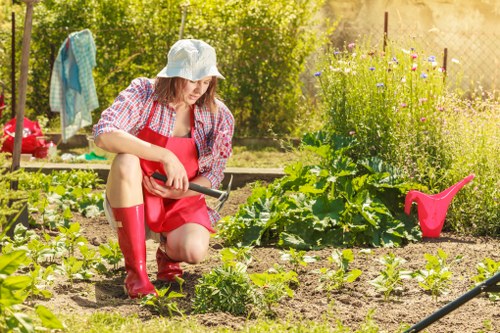 On-site we support a range of sustainable practices and community activities that reinforce waste reduction and resource recovery. These include:
- Composting and soil building for community beds and allotments.
- Tool and seed swaps to extend the life of gardening equipment and reduce buying new.
- Repair workshops in partnership with social enterprises to fix broken tools and garden furniture.
- Collections coordinated with borough recycling services to ensure correct separation of food, dry recyclables and residual waste.
We collaborate closely with local transfer stations and council services to make sure that what we collect is processed in the most sustainable way possible — returning quality compost to soils, redirecting reusable items to charity networks, and ensuring recycling streams meet borough standards for dry materials.
Our philosophy is simple: reduce where possible, reuse what can be repaired or redistributed, and recycle the remainder through compliant municipal and regional facilities. By combining a clear recycling percentage target with practical partnerships, a low-carbon fleet, and a community-centred sustainable rubbish gardening area, Gardening Forest Gate aims to be a local model for greener, smarter waste management in urban gardens.